About Pious Mathew
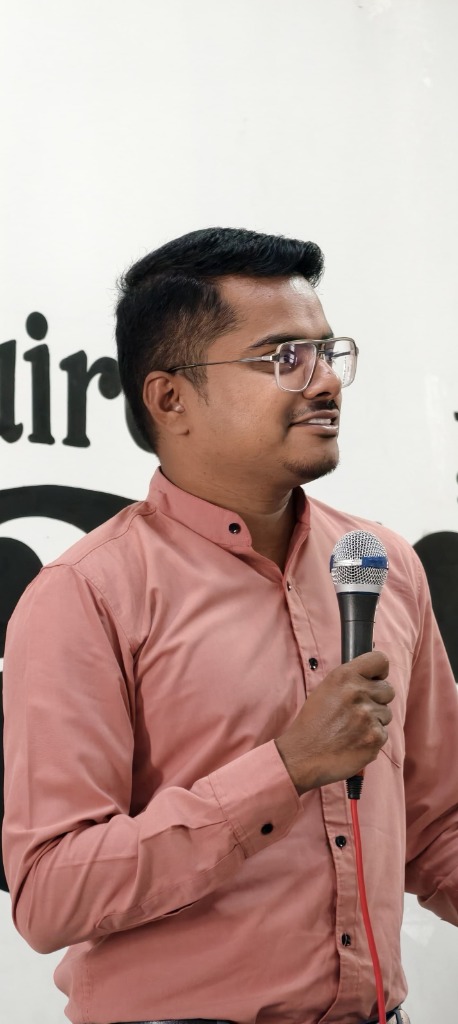
My Professional Journey
My path in education began with a foundational deep dive into English Language and Literature. As an English graduate, stepping into the active school system quickly revealed that teaching is not simply about delivering content—it is about orchestrating an ecosystem where students, teachers, and curriculum operate in harmony.
Observing classroom dynamics, I developed a strong interest in school-wide academic operations, curriculum design, and language culture. I realized that a school's success rests on its academic systems: how timetables are optimized, how question papers are standard-tested, and how teacher feedback loops are built.
To formalize this dedication to pedagogy and systems, I completed my Bachelor of Education (B.Ed.) specializing in English and Social Science, giving me a solid grounding in educational psychology, evaluation methodologies, and curriculum theories. Driven by a desire for scholarly depth in linguistics and literary analysis, I am currently pursuing an M.A. in English, ensuring that my curriculum design works remain academically rigorous.
Today, I focus on helping schools audit their language culture, design customized curriculum maps for public speaking and creative writing, conduct teacher training sessions, and coordinate robust CBSE academic and examination operations.
Educational Philosophy
Core principles that guide my approach to system designs, teacher mentoring, and curriculum architecture.
Student-Centered Learning
Moving away from passive lecturing to student ownership. Classrooms should prioritize active construction of knowledge, collaborative problem-solving, and individual growth tracking.
Communication-Rich Classrooms
Language is acquired, not just taught. I advocate for classroom structures that maximize talk-time for learners, providing structured frameworks for debate, group dialogue, and articulation.
Teacher Empowerment
A curriculum is only as good as the teacher implementing it. I believe in giving teachers clear lesson frameworks, rubrics, and supportive peer observation systems rather than rigid checklists.
Constructive Assessment
Assessments should be maps for learning, not just autopsy reports on failure. I specialize in designing diagnostic and formative assessments that inform daily instruction and guide student self-correction.